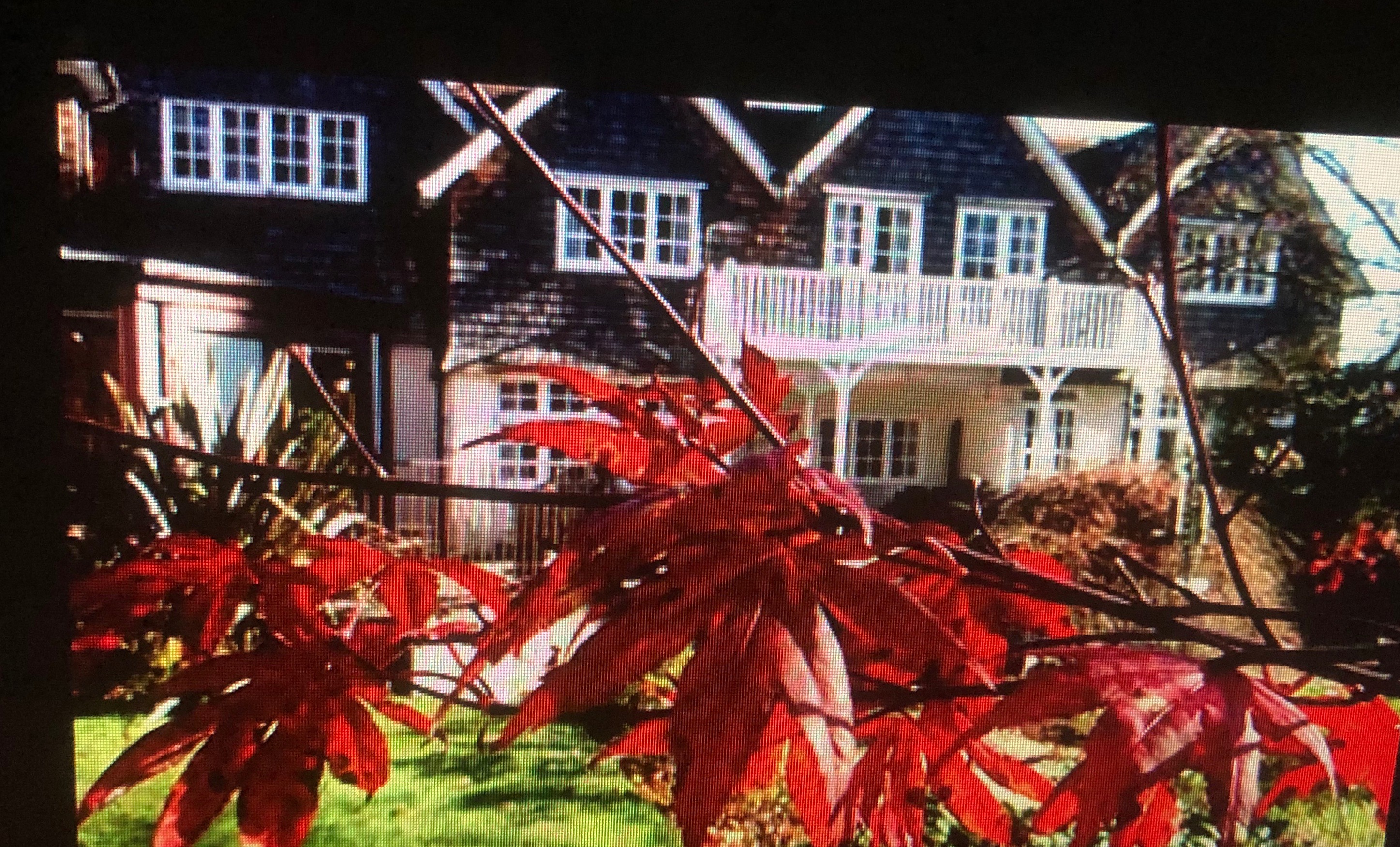
Windlesham Manor, Arthur Conan Doyle’s last home. He was buried in the garden until removed to a family vault in 1935. (Google maps)
From 1909 until his death in 1930, Conan Doyle lived and wrote (75km/50m from London) at Windlesham Manor, a home he built himself in Crowborough, East Sussex. Rather ironically, Windlesham is now an assisted living home.
MINOLTA DIGITAL CAMERA
Detective morphing-to-beekeeper Holmes headed the same direction in his later years. There’s a likely looking place with the right plaques in the welcoming village of East Dean, 45km/28m from Crowborough. It’s not the isolated hermitage you might suppose. On the other hand, old man Holmes would still have need of an occasional telegram, if not a telephone. He’d still want his newspapers, if never for the latest on the solar system.
Watson’s view? “No doubt Holmes’ new address, Bolt Cottage, fit his needs precisely, but it was no place for a visitor, perhaps purposely so.”*
As WWI ends, cocaine becomes illegal in England and the aged, still addicted and depressed Sherlock Holmes enters at a rundown psychiatric clinic on the Normandy coast. He names a treatment goal never before encountered by any admitting physician, churning interlocking mystery and desperate action into the lives of friends and enemies both.
-an excerpt from his initial interview in “Sherlock Holmes and the Remaining Improbable*
“M. Holmes recounts that most childish inconveniences, including toothache, temper, rowdiness, diarrhoea, constipation–and especially inability to sleep when nursery maid’s follower (that’s boyfriend) was available–were treated with an array of the most popular children’s remedies, usually tinctured with alcohol, opium, cocaine, or morphine. With little thought, M. Holmes continued to self-medicate, not daily, but frequently, ‘as necessary,’ throughout his youth, especially aged thirteen to sixteen. He recalls his ever-ready Toothache Drops (cocaine) as a favourite.”
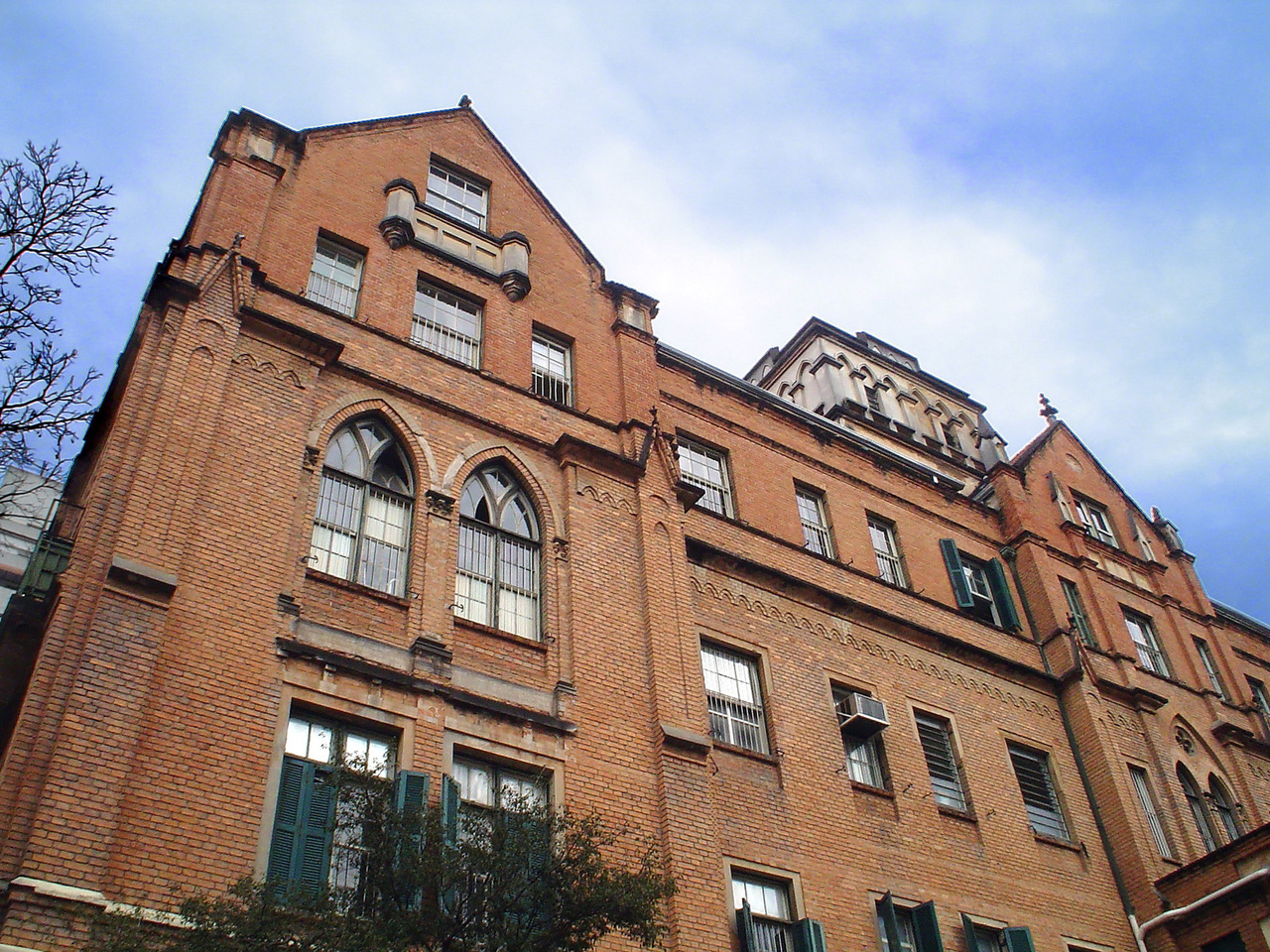
photo by Wesley Oliviera
As WWI ends, cocaine becomes illegal in England and the aged, still addicted and depressed Sherlock Holmes submits entry papers at a rundown psychiatric clinic on the Normandy coast. He names a treatment goal never before encountered by his admitting physician, churning interlocking mystery and desperate action into the lives of friends and enemies both.
*Sherlock Holmes and the Remaining Improbableby Susanne M. Dutton, coming soon from Propertius Press
An 1878 example: Getting ready for Christmas with St. Nicholas Magazine stories for children. Included are “The Three Wise Men,” “For Very Little Folks,” and “Jack in the Pulpit,” with Burnett’s cocaine on the side.
Advetisements for St. Nicolas Children’s Magazine, Nov. 1878
This stuff is fun, quirky, unsettling, thought-provoking and sometimes hard to get our modern heads around. If you find it as interesting as I do, please follow my blog by signing up in the right hand corner below. Thank you!
In London in the Nineteenth Century, author Jerry White refers to John Fisher Murray’s 1844 designations for “old London neighborhoods.* Baker Street is categorized as neither exclusive, ultra-fashionable nor fashionable, but “genteel.” Madame Tussaud’s Wax Works was housed there, in addition to shops, pubs, restaurants and “mansion blocks,” i.e. apartment buildings.
However, when Holmes and Watson took rooms at 221B Baker Street in 1881, the numbered addresses went no higher than 84.
As soon as this fact came to light, questions were raised. Was Watson protecting Holmes from risk by disguising the address? Did they actually live in York Place? According to David Sinclair’s Sherlock Holmes’s London, York Place was a residential end of what has more recently become a part of Baker Street. Another theory was that the doctor and detective lived in the Regent’s Park end of present day Baker Street, known as Upper Baker Street. (Note! A reader has informed me that in preliminary notes to Conan Doyle’s A Study in Scarlet, he did refer to a 221B Upper Baker Street.) The number system was still unsatisfactory, according to Sinclair, as as the highest was 54.
Life caught up with art a few years after the publication of the last Holmes story in 1930. Baker Street was extended across Marylebone Road and renumbered. An entire city block took on the address 219 to 229, and became the headquarters of Abbey Road Building Society and then, in July 1989, Abbey National, a bank.
Google Maps
That settled nothing, especially when heaps of mail seeking Holmes’ aid began to arrive and the building society-morphing-to-a-bank proudly designated itself as employer of the posthumous secretary to Sherlock Holmes for seventy years.
Then, in 1990, the bank had competition. The Sherlock Holmes Museum set up just down the street at a much more appropriate-looking address, not 221B, but 239 Baker Street.
239 Baker StreetGoogle Maps
To settle the matter the museum actually tried to get its address changed from 239 to 221, a permission refused in 1994. It was able to register as a business legally called 221B Limited, however, and posted that name over the entrance.
Google Maps: 219 to 229 Baker Streettoday
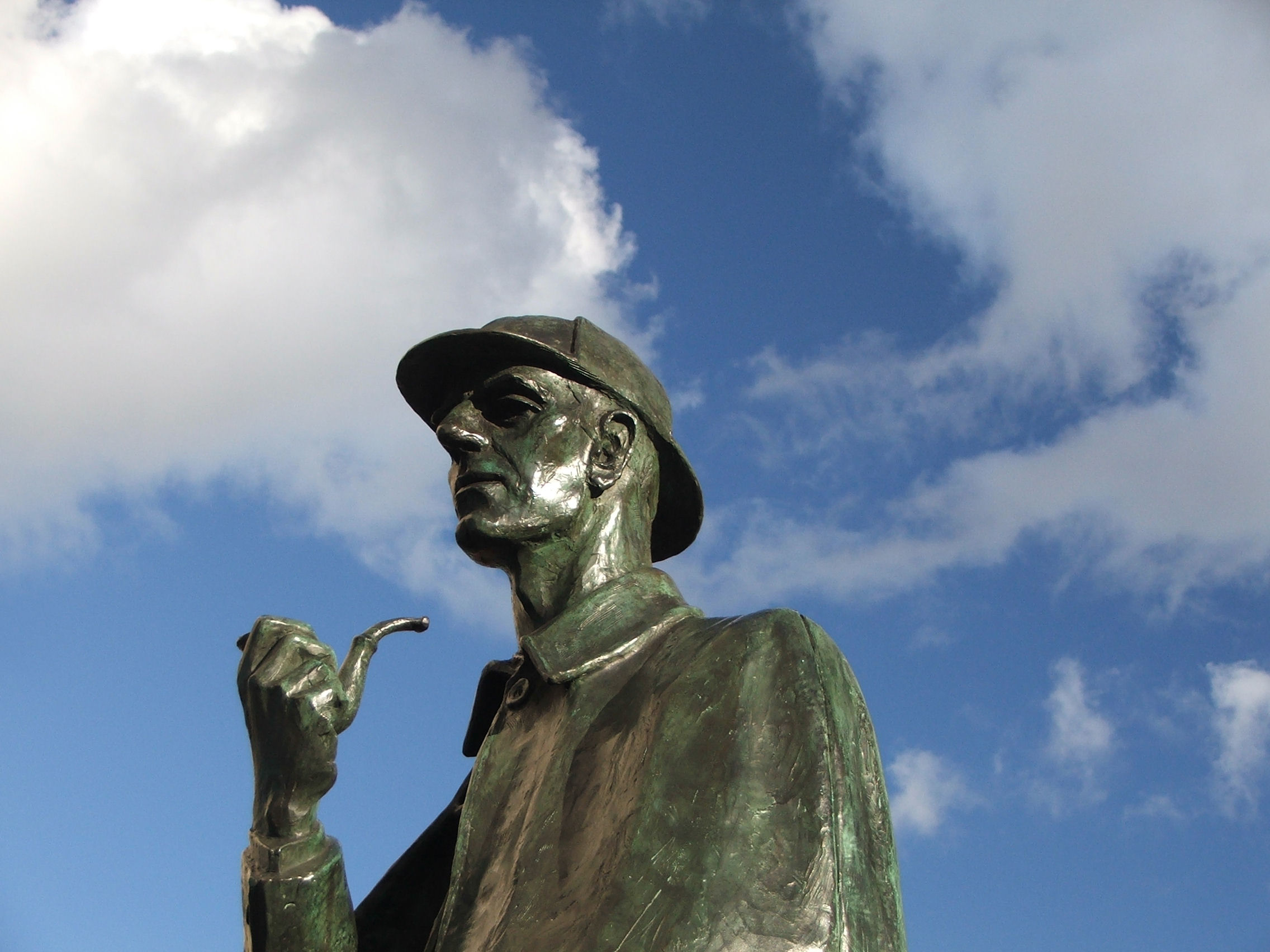
Abbey National Bank finally retired from the conflict in 2002 when it moved away from Baker Street entirely. By way of a graceful farewell, the bank installed the fine statue of Sherlock Holmes that surveys nearby Baker Street Tube Station.
Gift to Baker Street from Abbey National Bank
*Old London was a very different city, as the population count, as well as the square miles, skyrocketed in the 19th Century. In 1801, the first official census names just over 1 million. By 1900 it is 6.2 Million. Square miles in 1851 totaled 122; in the Holmes’ era, c.1896, that number is 693.
Thank you for reading! Please follow my blog, inside221B.com. It’s generally twice a week and will simply show up in your mail.
Sherlock Holmes and the Remaining Improbable, by Susanne Dutton, coming soon from Propertius Press.
“They go everywhere and they hear everything,” Holmes says of the Irregulars in A Study in Scarlet, 1887. “They are sharp as needles, too; all they want is organization.”
The Irregulars play a crucial role in three cases, aided greatly by the fact that homeless children (estimated 30,000) were so many and so disregarded on London streets. Given that 12 pence made a shilling, what could you get with just one shilling?
~ four meals of meat, broth and beer or eight simpler meals from a street cart or at an “ordinary,” a working class hall that served simple foods. (No Irregular would have a kitchen.)
A meat pie
~ a shared bed in cheap lodging house for six nights
~ an inexpensive, unfurnished room for one week (one shilling, 4 pence)
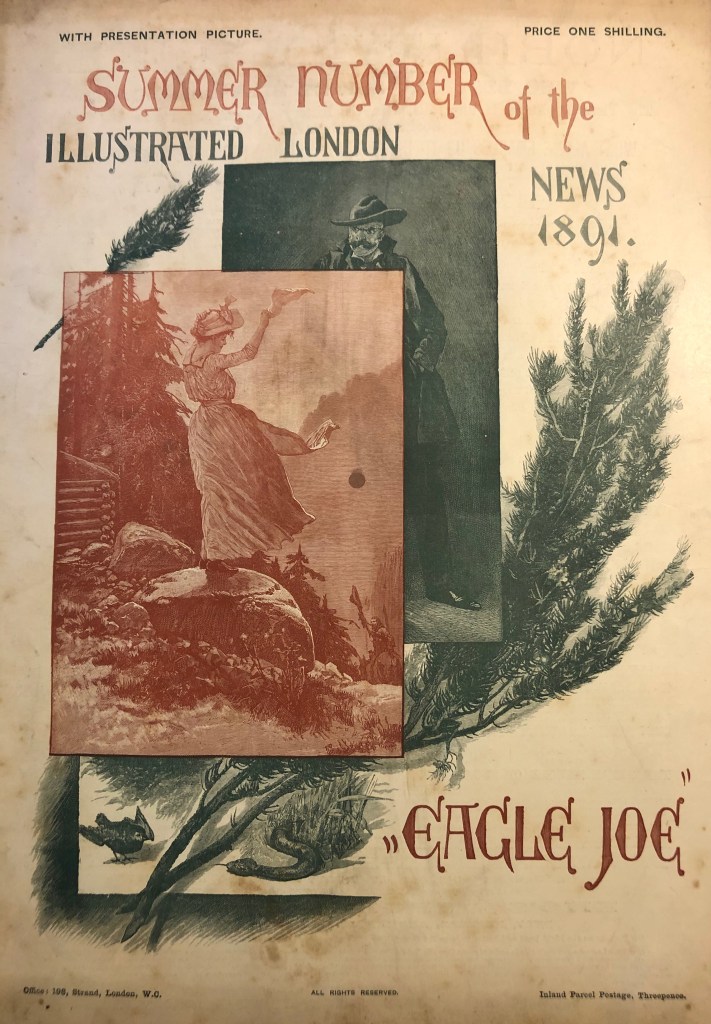
~ one copy of the Illustrated London News. An Irregular probably had little or no schooling, but he would have enjoyed the Wild West story of Eagle Joe and the sketches.
London Illustrated News Summer Number 1891 (btw, I paid £20.13 for my own copy, that’s in the latest new money system, of course.
~ five loaves of bread
~ 1/2 pound tea
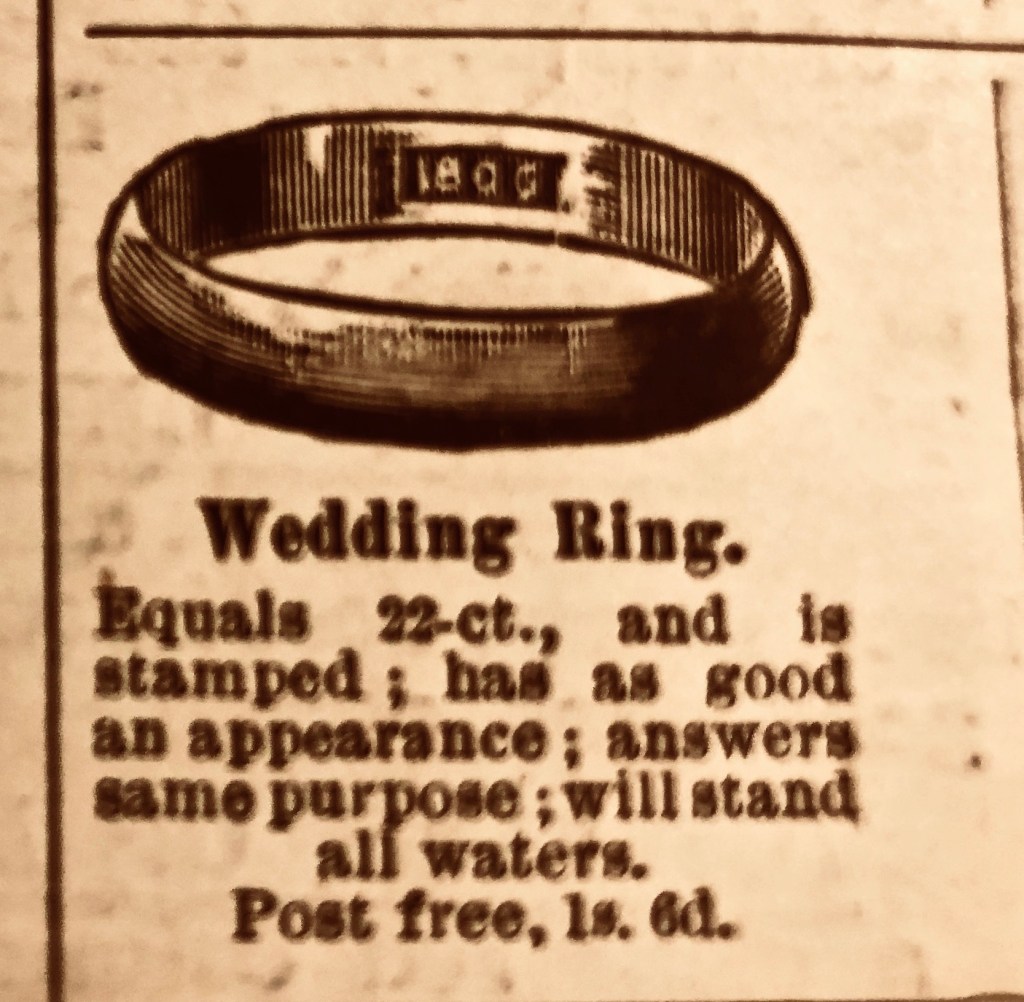
~ one wedding ring, with “as good an appearance;” as 22ct. gold and, after all, “answers same purpose.”
~ week’s worth of wood or coal, if one had a place to burn it
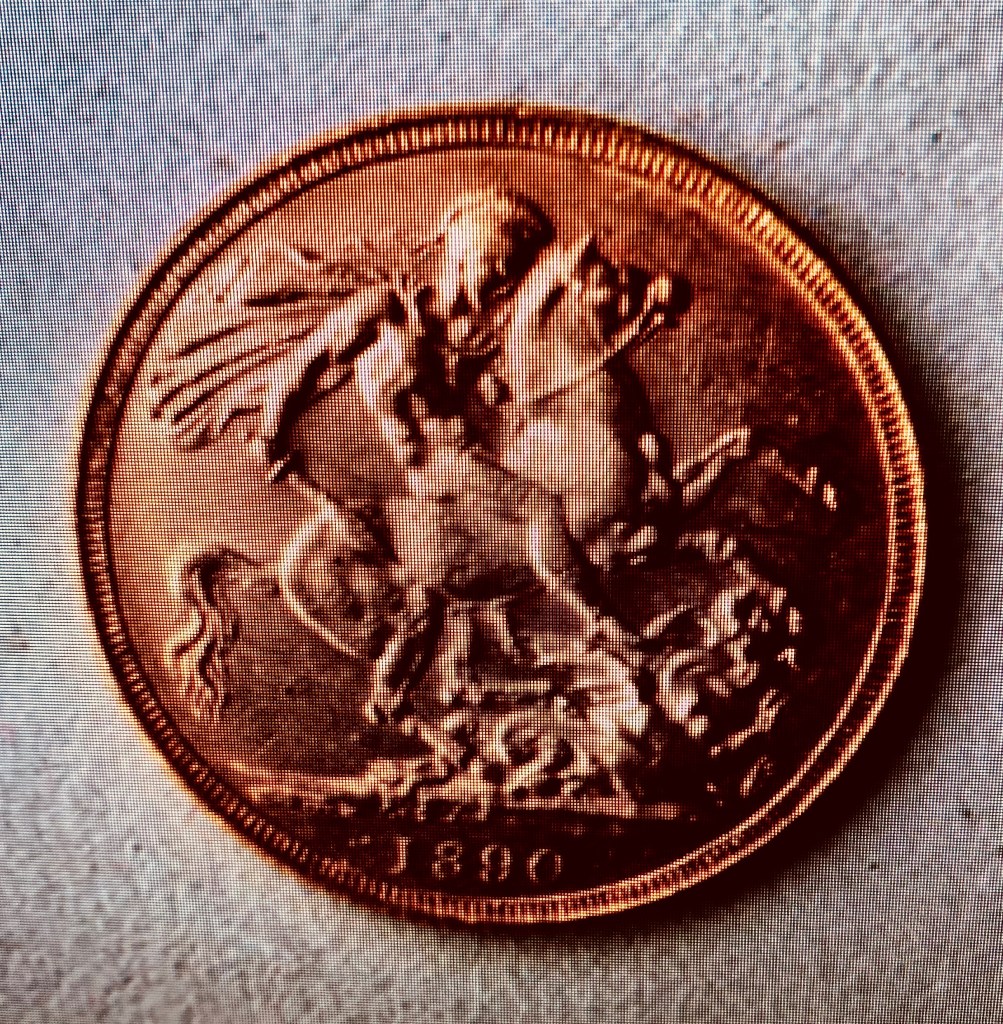
What could you do with a guinea, just over a pound?
1890 pound coin
~ one overcoat of superior quality
~ one pair boots, one pair socks and three flannel shirts
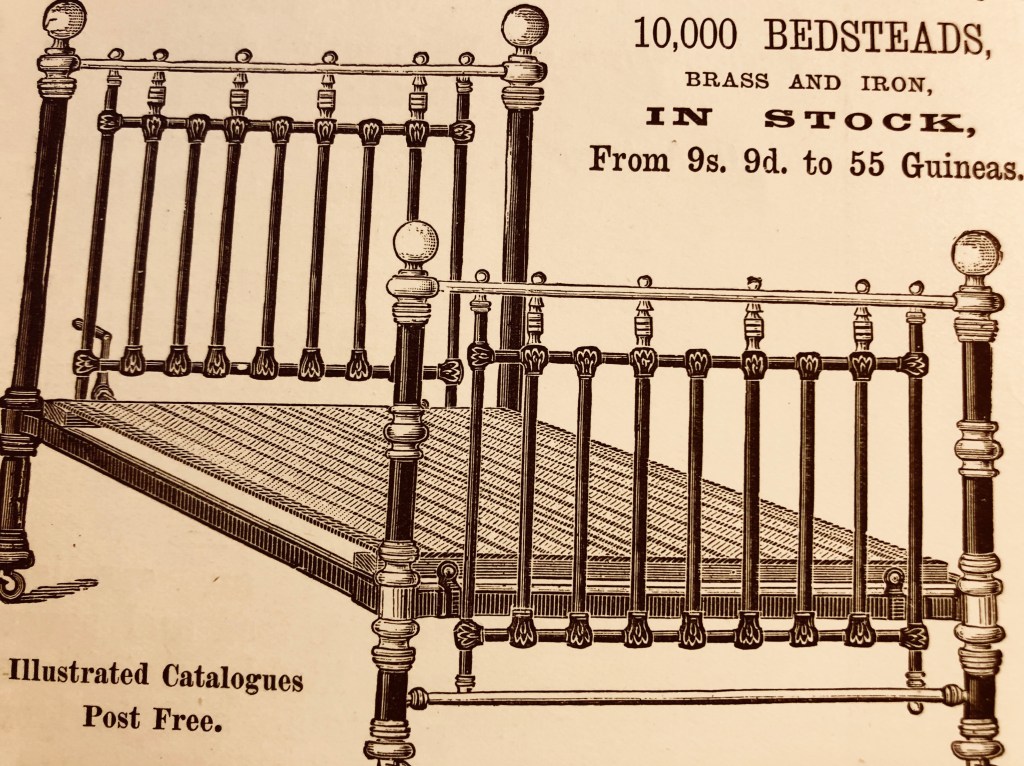
~ one bed, not the finest well-made, but not the least
Advertisement, Pall Mall Gazette December 1893
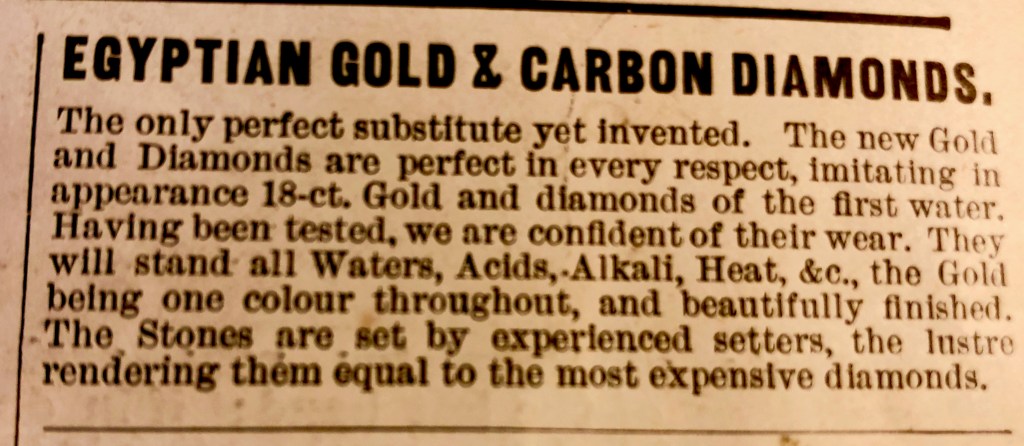
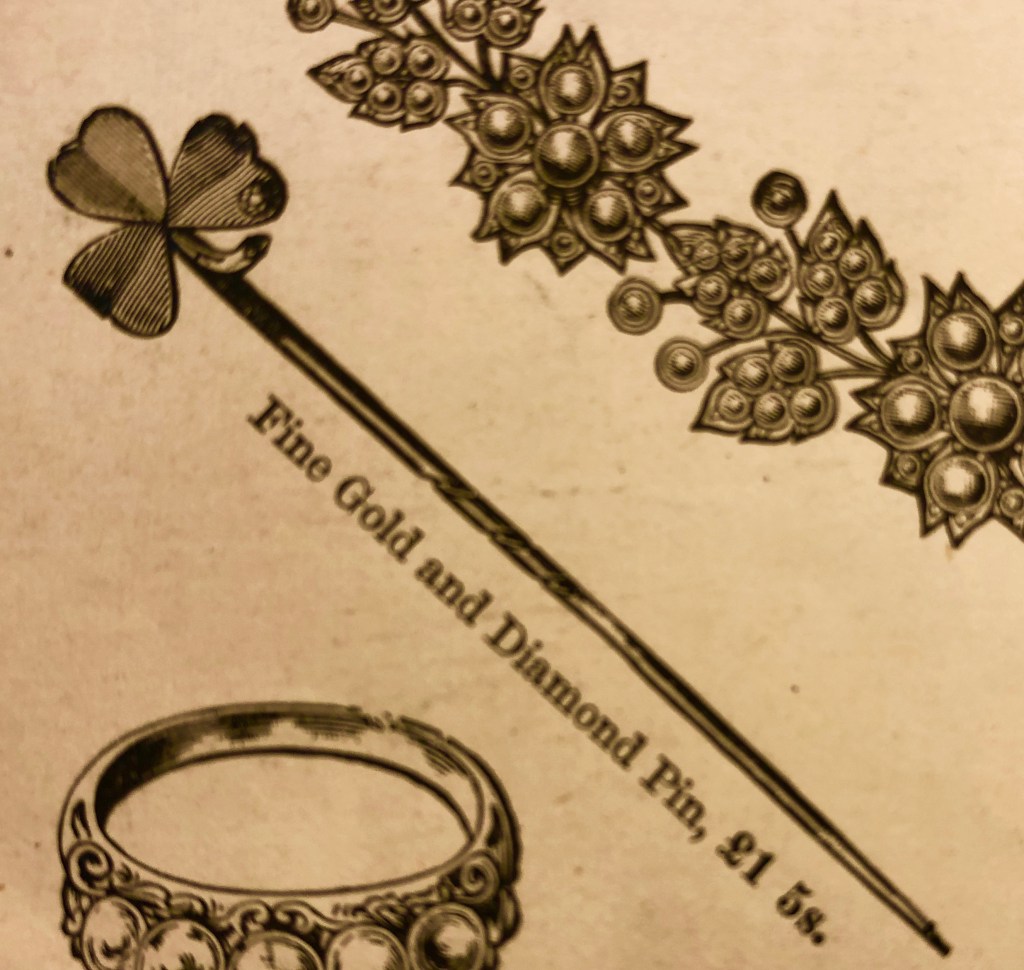
~ one pin of diamond and gold, almost
Advertisement London Illustrated News, March 1891
~ one each of 4 of Conan Doyle’s works, hard back, as advertised between the curtains and “How to Open a Cigar Store.” Note that Holmes stories are not featured first, nor are they the most expensive.
The Strand Magazine, 1891 January to June compilation
Another way to assess that guinea is to see what other people were paid
~ £11/year plus board and lodging would be a wage for a boy who worked as an indoor servant. (Billy, Mrs. Hudson’s page)
~ 18 shillings up to £1 would be a “justing getting by” week’s income for a working family. £1 in 1895 equals £132.35* today, though the numbers are misleading because costs for raw materials, production, labor and transportation have changed. “New fangled” products were more expensive, as they are now. What about the prospect of an Irregular with a bicycle?
1890 Bicycle
~ one Van Cleve bicycle, $65 at the Wright Brother’s factory in North Carolina. (Adjusted for inflation, $1,870 today.)
Given that the pound went further than the dollar, an Irregular might achieve a bicycle with a great number of high values clues, or several more detectives.
Thank you for reading. Please follow my blog, too.
… Sherlock Holmes and the Remaining Improbable Susanne M. Dutton, soon from Propertius Press
He pointed to a newer looking broadsheet posted to a wall.
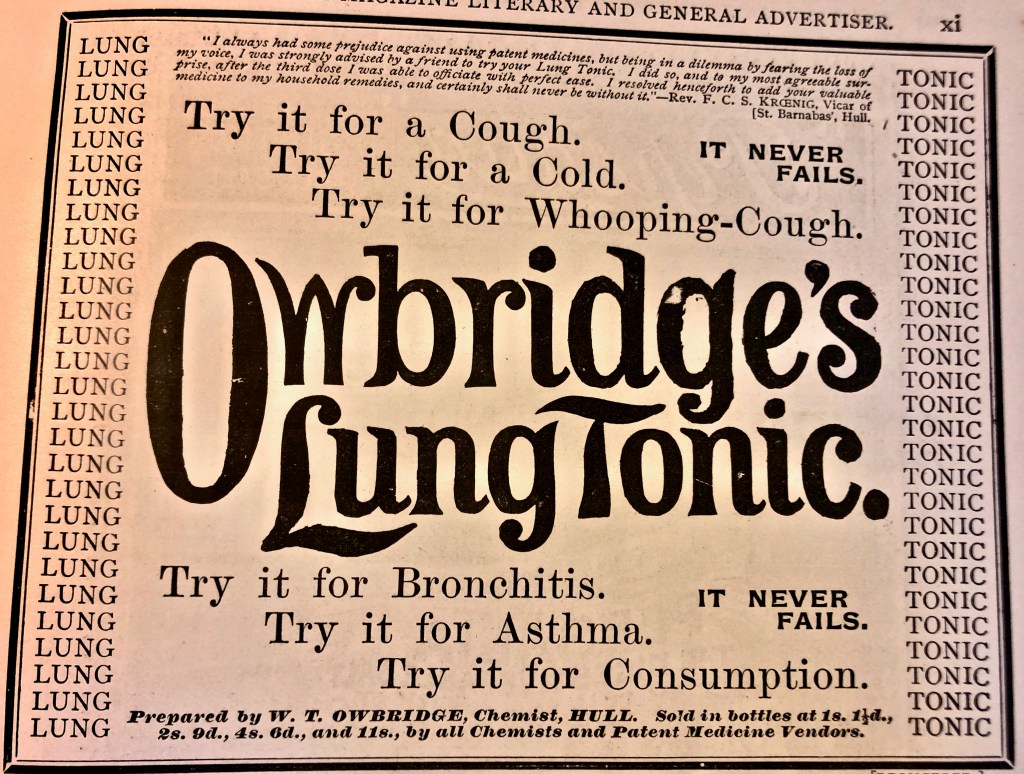
Pall Mall Gazette, December 1893
“Watson, I believe you’ve described me as ‘pale’ in at least one of your melodramatic distortions of my cases. Would you recommend Dr. Williams’ concoctions?”
“Not if Dr. Williams paid me.You expose yourself to enough vile poison by means of that needle of yours without my cooperation.”
Pall Mall Gazette, December 1893
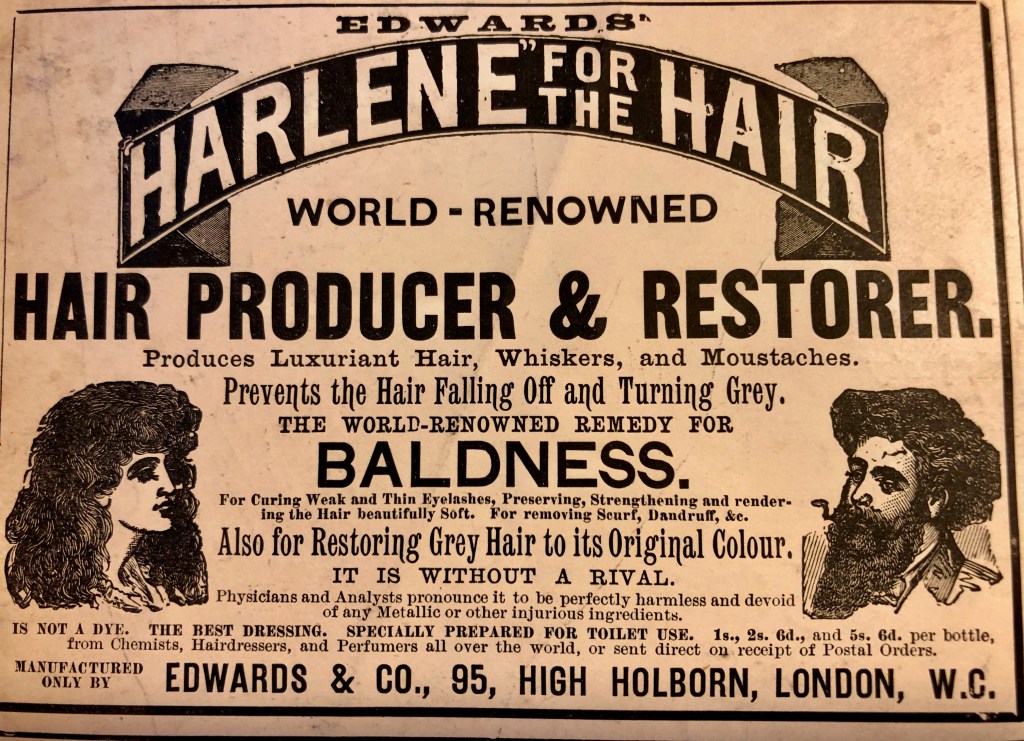
Question: What would a blood building or “never failing” tonic contain?
Answer: A tonic “toned” your organs, your nervous system, lungs, circulatory system, heart and your brain. Tonics often contained strychnine, morphine, lithium, or cocaine, described as natural “vegetable” ingredients. As the ads say, you could try it for anything. You might not recover, but no doubt you’d feel different.
If a pale Sherlock Holmes were anemic due to low iron, perhaps it was true that, as he claimed, only the thrill of “the game” brought him to life naturally. “My mind rebels at stagnation,” Holmes rants in Conan Doyle’s A Scandal in Bohemia. “Give me problems! Give me work. My mind rebels at stagnation.” Jeremy Brett did a horrifically fine job with Conan Doyles’ words, here:
Real treatments? It wasn’t until 1932 that the relationship between iron deficiency and anemia was discovered. Owbridge’s Lung Tonic, purported to treat consumption (tuberculosis) failed miserably. By 1900 tuberculosis had killed one our of every seven people who had ever lived.* An effective, widely utilized TB vaccine was still more than 50 years away.
*TB in American: 1895-1954, PBS: American Experience
This stuff is fun, quirky, thought-provoking and sometimes hard to get our modern heads around. If you find it as interesting as I do, please follow my blog. Thank you.Susanne Dutton
Queen Victoria’s husband, Albert Francis Wettin (1819-1861)
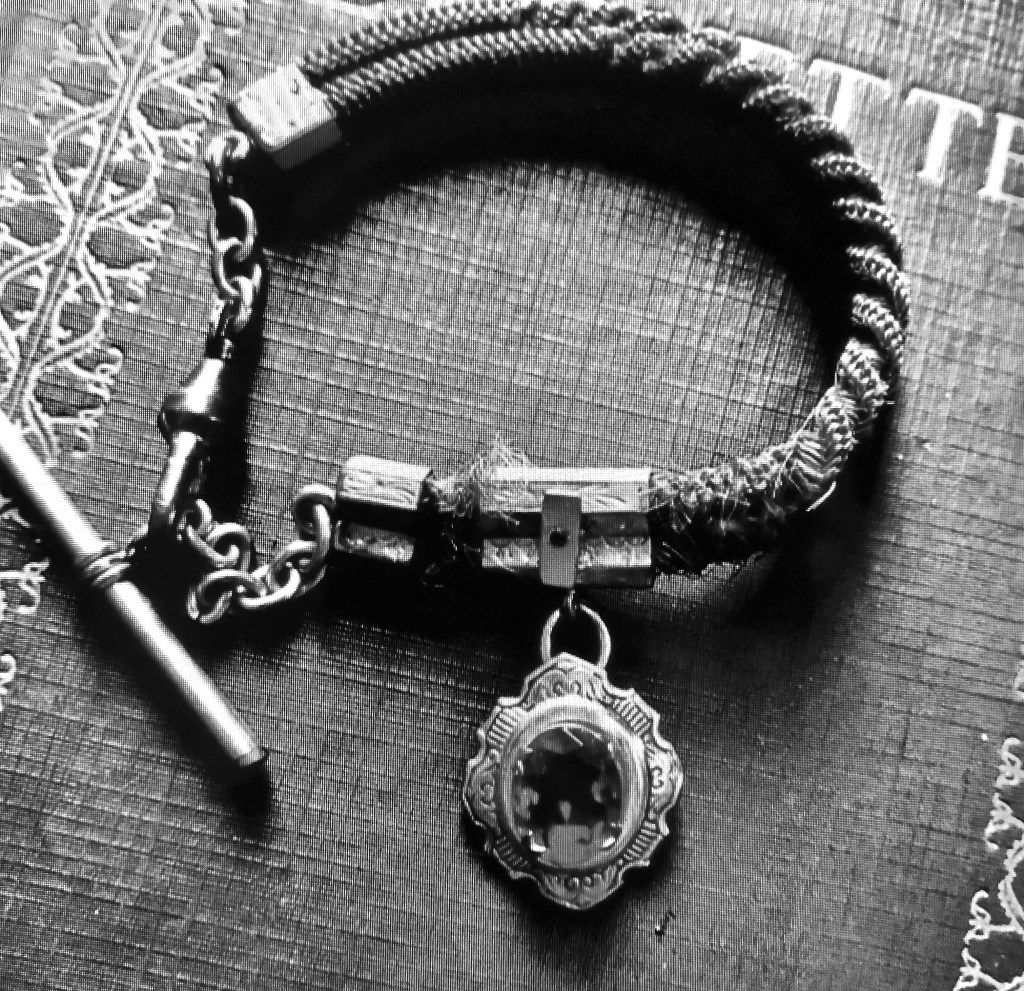
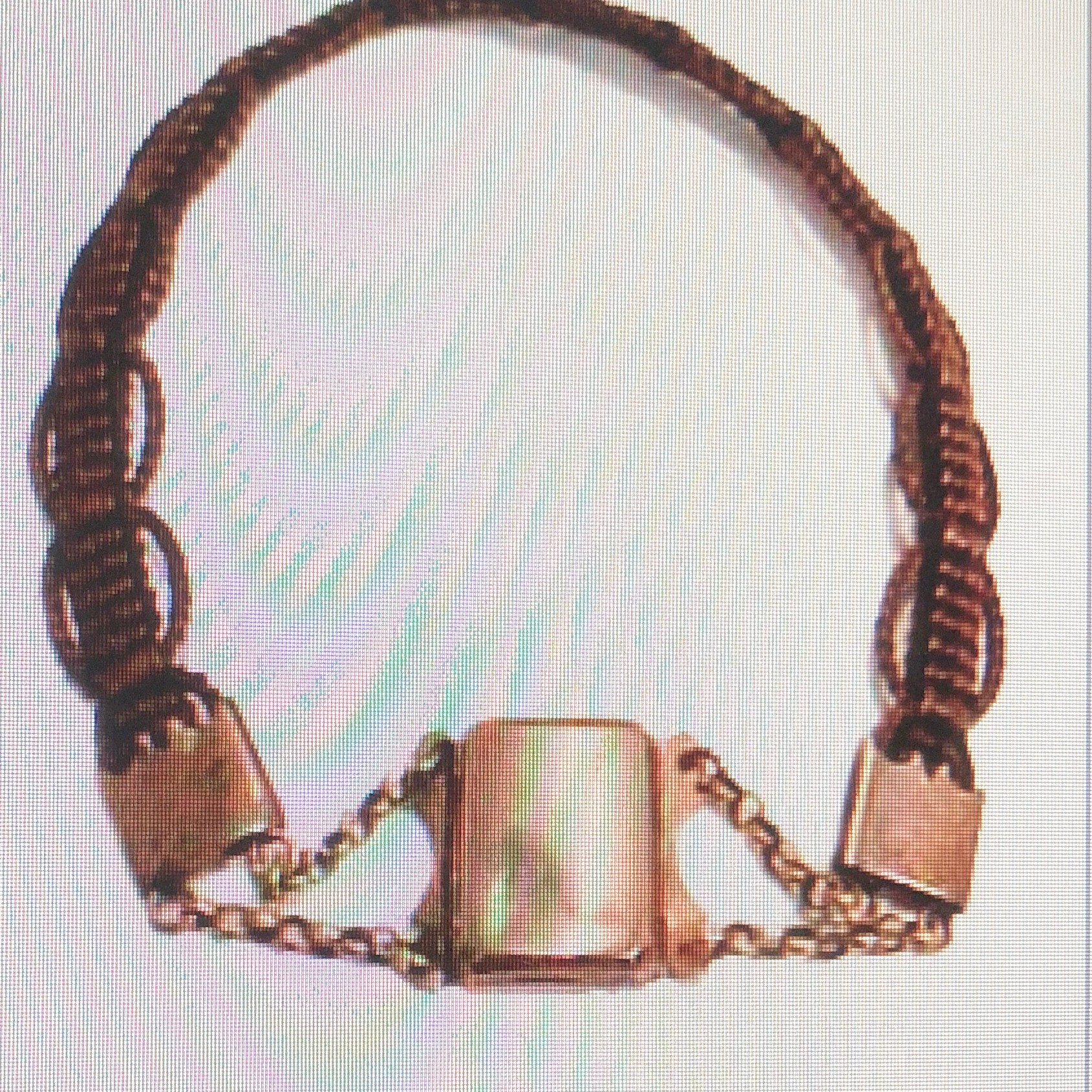
He slid the latest Pall Mall Gazette across the breakfast table. “Read it yourself, old man. Just there, below the photograph of the bracelet.”
I found the article.
“After the Prince Consort’s death, Her Majesty had some of his hair made into a bracelet.* Now the Queen stipulated that there were to be no joinings, but this was impossible, the Prince’s hair being too short. However the Queen’s instructions were carried out and the bracelet delivered.
Chancing to be toying with it one day, Her Majesty drew out a hair three times the length of the Prince’s hair; then there was trouble.The bracelet was inspected, and it was found that that while much of it was Prince Albert’s hair, the greater part of it was not.” (The bracelet pictured is such a bracelet, but not that bracelet.)
“Hmm,” I mused. “Let me make another deduction. When one goes about as a ‘Majesty,’ people are going to lie to you to keep you happy.”
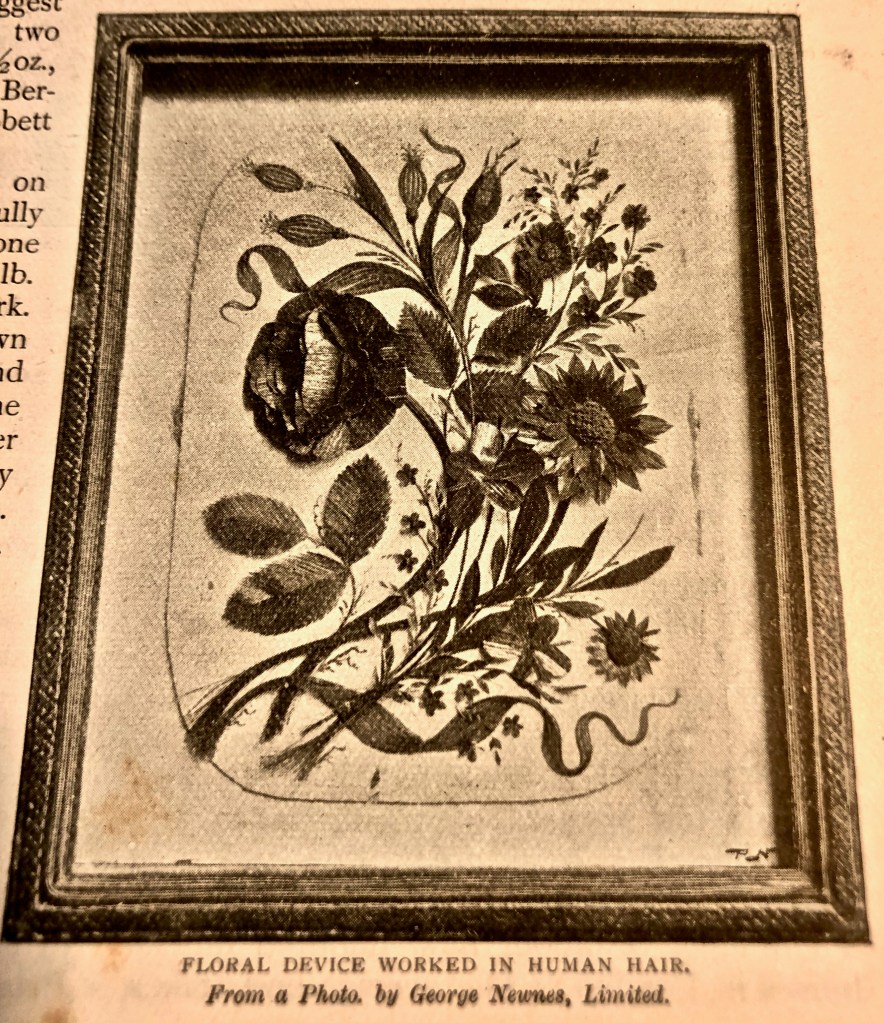
The Pall Mall Gazette (February 1897) has more to tell about “hair devices,” as momentos of deceased loved ones. Below is an example from a Swiss gentleman, Antonio Forrer, who developed what we would call a fiber art in the 1840’s, weaving hair and wool.
It seems an English woman spied some of his work while traveling, brought him to London and helped him to set up a work shop in Regent Street, where he developed a successful trade. Before long he offered work to dozens of Swiss women who helped him to meet the demand. When the craze (as the Gazette calls it) was at its height, provision would be specified in wills for mourning brooches, rings, bracelets and earrings, as well as “fiber art” creations for the parlour. In London alone, there were 100 hair-working studios. Below are other examples of Victorian momento mori, a monogramed a bracelet, choker, earrings and wall hanging featuring the deceased woman herself.
This stuff is fun, quirky, thought-provoking and sometimes hard to get our modern heads around. If you find it as interesting as I do, follow my blog. Thank you.
Holmes smiled thinly at Lestrade, and set aside the lavender-scented letter with it’s swooping, swirling message.
He said, “Come now, Inspector. Think. I’ll grant you it reads like blackmail, but you have no reason to put it down to a woman. You know as well as I do. One can do wonders with other people’s expectations.”
Pall Mall Gazette Advertisement, December 1893
He flipped open the latest Gazette and pointed to an advertisement. “Goodness knows what this Prof. Muller would do if I applied for a specialist in the lady-civil-servant hand.”
“Wrong question,” says Barnard Collier on Quora. “The right one may be: Why can’t we distinguish between male and female handwriting?
Our company www.graphologyconsulting.com has for almost a quarter century collected, analyzed, and evaluated the handwriting of more than 130,000 medical doctors and nurses worldwide, plus an equal number of people from various professions and walks of life, and among many financial classes, and if there was or is, at present, a way to pin
point the difference on a gender-based scale, we haven’t found it. Nor has any other expert biometric graphologist, and pattern recognition tests may enjoy a 6 to 4 chance of deducing gender from pixel-levelscans and associated algorithms.
Sherlock Holmes and the Remaining Improbable* by Susanne Dutton
The game is not afoot. The Better-Every-Day world of 1895 is gone, even hard to recall as WWI ends. From his rural cottage, Sherlock Holmes no longer provokes Scotland Yard’s envy or his landlady’s impatience, but neither is he content with the study of bees. August 1920 finds Holmes filling out entry papers at a nearly defunct psychiatric clinic on the Normandy coast. England’s new Dangerous Drugs Act declares his cocaine use illegal and he aims to quit entirely. Confronted by a question as to his “treatment goal,” Holmes hesitates, aware that his real goal far exceeds the capacity of any clinic. His scribbled response, “no more solutions, but one true resolution,” seems more a vow than a goal to his psychiatrist, Pierre Joubert. The doctor is right. Like a tiny explosion unaccountably shifting a far-reaching landscape, the simple words churn desperate action and interlocking mystery into the lives of Holmes’ friends and enemies both.
“I suppose I’m the only one,” says Holmes of his occupation, but his was not the only curious occupation at the time. Here are three other instances as identified by Balliol Bruce in a Feb., 1897 Pall Mall Gazette article on the topic.
The photo above shows Mr. W. Clarkson, a black eye artist of seventeen years experience. Tools include greasepaint of two hues, lily powder, and carmine. The unaffected eye is painted to match. The process takes about half an hour and lasts for a week. Mr. Clarkson gave a few examples of the assortment of antics that bring patrons to his door.
A solicitor wanted a black eye painted out before entering court.
Two women, who ought to have known better, fought as they entered a Buckingham Palace drawing room. Big gratuity to the artist for this one.
One evening a man had a black eye painted out; came back the next night with another.
Angry wife threw a book at her husband, but missed him. He rushed to Clarkson to have a black eye painted in–so as to fill his wife with remorse.
Under Other, there are the excuses. Slipping getting into or out of bed; cab pulling up suddenly and throwing forward the occupant; baby boy whose clubbing fist flashed at his mother’s face; popular preacher, so carried away with his own eloquence that he jabbed himself in the eye.
The Height Increaser
M. Pinet of Berner Street, W. is a professional height increaser, a feat he undertakes with two methods. (Both of these continue to this day, though no one seems to be claiming the occupation, per se, on 2020 taxes.) Method one involves plush covered pads, pictured, which can be moved to from shoe pair to pair. Method two is accomplished with special boots, which M. Pinet explains can raise you as far as SIX INCHES.
Who are the customers?
Clerks out of employment.
Waitresses.
Policemen and others in uniform, such as Army officers.
Footmen (to whom stature is everything, says the Gazette.)
Barristers, Clerics (churchmen), Members of Parliament.
AND MANY OTHERS, but especially those who want to catch a particular other’s eye. M. Pinet says women use the elevators because they raise the instep and make the feet appear smaller. (Small feet, as a “thing,” no longer seem to be the rage, but considerable trouble is still taken for height.)
The professional height increaser tells a story about a man who left his elevator pads in his boots when he put them outside his hotel room door to be polished. Of course they came back minus the pads and “the gentleman was confined to his room,” because he didn’t want to make inquiries about them. When he did leave, he was somehow “lower” in the eyes of his friends. M. Pinet says the moral is “KEEP DUPLICATE PAIRS!”
Funeral Horseman
The average undertaker keeps “neither horses nor coaches, but hires these from people like Mr. Seaward, who keeps a hundred funeral horses,” according to the Gazette. These would account for just one hundred of the nine hundred funeral horses in London in the late 1890’s. These stately, expensive, and often feisty animals are imported from Friesland and Zeeland, Netherlands provinces. Seaward claims that, once, at a very small funeral, “the coachman lent a hand with the coffin; but in his absence, the horses ran amuck among the tombstones, which went down like ninepins in all directions.”
In the photo, one of Seaward’s men paints a horse’s white fetlock with a black mixture in preparation for a funeral procession. A white star on the forehead is simply covered with the animal’s own foretop. To the right in the photo hangs a fake horse tail, necessary when Seaward uses one of his no-tailed Dutch Black horses to create a kind of composite horse. The tail is strapped on for funerals, but at night it can be discarded so the horse can take people to and from the theaters.
Holmes, the world’s only consulting detective, stands with pipe
1881 – London Population 4.7 Million when Holmes and Watson take 221b
1896 – London Population 6.7 Million during The Adventure of the Bruce-Partington Plans, wherein secret submarine blueprints are found in a murdered engineer’s pocket.
1920 – London Population is 7.4 Million when Holmes is 66 and The Dangerous Drugs Act is enacted… Sherlock Holmes and the Remaining Improbable takes place.
from The Strand Magazine, January 1891
In 1860, when the six year old Holmes was still home in Yorkshire (about 322 km and or 200 miles away) London was already one quarter larger than the world’s second largest city, Beijing; two thirds larger than the Paris; five times as big as NYC. By 1881, Holmes had moved to London. Rents were high. The population was young, a little more female than male. He was on the lookout for a fellow to share the rent.
The Criminal Investigation Department had recently been created, naming 250 detectives, including Lestrade, in a police department that numbered 10,000.
In 1920, a perplexed Watson shoulders burdens far heavier that those of confidant and chronicler as he sets out for the most outrageous Holmes adventure you never heard about:
“I dressed, shaved, fussed to no avail with my remaining hair, and made my final preparations for the two-hour journey to Eastbourne . . . I had reduced my office hours in the past years and watched as my patients cooperated to an unflattering extent, transferring their loyalties for my young partner and nephew, Ronald Ellison.”
Sherlock Holmes and the Remaining Improbable, from Susanne M. Dutton at Propertius Press and Amazon*
When Watson receives Holmes’ summons to Eastbourne just over a hundred years ago, he was 68. Stanford University’s research*, based on likelihood of death, suggests that for men the transition beyond middle age at that time was 44. After 44 you qualified as “old.” In 2021, that age is 60.
But that’s not all. Stanford included another transition. Watson would elevate himself from old to really “elderly” at age 55 in 1920. Today that point would be still ahead of him, at age 76.
The Game is not afoot. The Better-Every-Day world of 1895 is gone, even hard to recall, as WWI ends. Holmes fills out entry papers at the rundown Le Dieppe Clinic and Sanatorium on the Normandy coast. Confronted by a question as to his “treatment goal,” he hesitates, aware that his real goal far exceeds the capacity of any clinic. Like a tiny explosion unaccountably shifting a far-reaching landscape, the detective’s scribbled response churns desperate action and interlocking mystery into the lives of Holmes’ friends and enemies both.
Susanne Dutton is the one who hid during high school gym, produced an alternative newspaper and exchanged notes in Tolkien’s Elfish language with her few friends. While earning her B.A. in English, she drove a shabby Ford Falcon with a changing array of homemade bumper strips: Art for Art’s Sake, Forgive Us Our Trespasses, Free Bosie from the Scorn of History. Later, her interests in myth and depth psychology led to graduate and postgraduate degrees in counseling.
Nowadays, having outlived her mortgage and her professional counseling life, she aims herself at her desk most days; where she tangles with whatever story she can’t get out of her head. Those stories tend to seat readers within pinching distance of her characters, who, like most of us, slide at times from real life to fantasy and back.
Susanne grew up in the SF Bay Area, has two grown children, and lives with her husband in an old Philadelphia house, built of the stones dug from the ground where it sits.























 Sherlock Holmes and the Remaining Improbable.........from Propertius Press and Susanne M. Dutton